
 Email guides
How to Write an Email
How to Secure Your Email Account
Best Private Email Providers
Email basics
All email basics →
What Is Email?
A straightforward explanation of email and what it is used for.
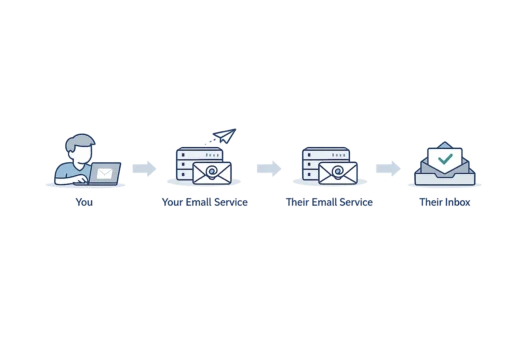
How Does Email Work?
Follow a message from the sender to the recipient’s inbox.
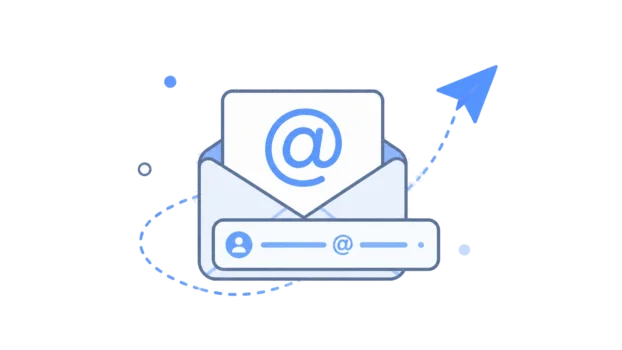
What Is an Email Address?
Understand the different parts of an email address.
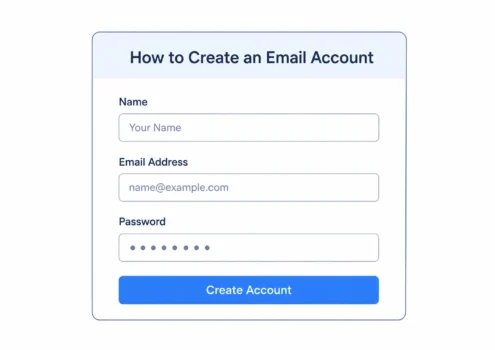
How to Create an Email Account
The steps involved in setting up a new email account.
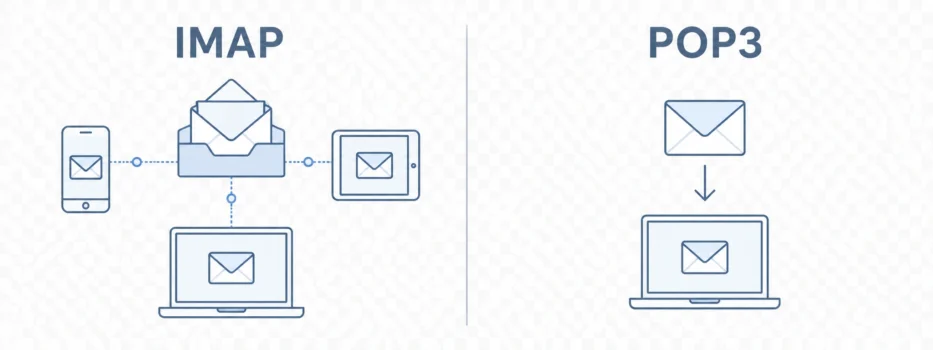
IMAP vs POP3
How these two ways of accessing email differ.
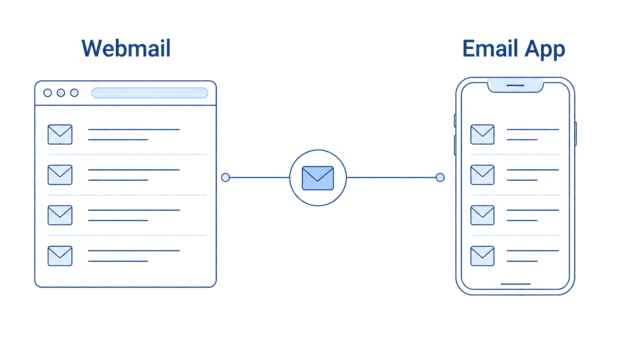
Webmail vs Email Clients
Accessing email in a browser compared with an app.
Using email
Everyday guides
Email providers and comparisons
All comparisons →
Best Gmail Alternatives
Alternatives to Gmail, including privacy-focused and conventional email services.
Proton Mail vs Gmail
Privacy, usability and the differences between the services.
Proton Mail vs Tuta
A comparison of two privacy-focused email providers.
Proton Mail Pricing
Proton Mail plans, features and renewal costs.
Proton Unlimited Review
What the wider Proton subscription includes and its trade-offs.
Privacy and security guides
All privacy guides →
Does Gmail Read Your Emails?
What Google’s systems do with email content.
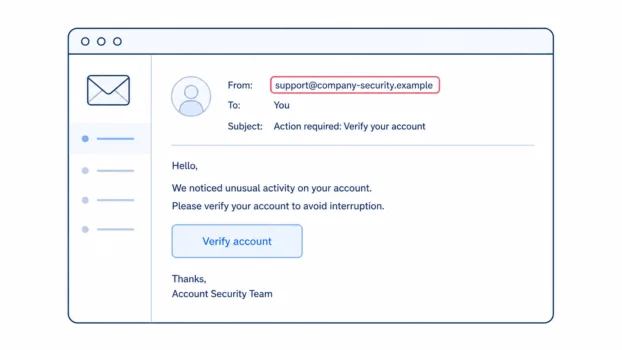
What Is Phishing?
How phishing messages work and what to look for.
How to Encrypt Email
Ways to protect messages using different email services.
Can Your Email Be Hacked?
Common ways email accounts are taken over.
Is Email Private?
What ordinary email protects and where privacy has limits.
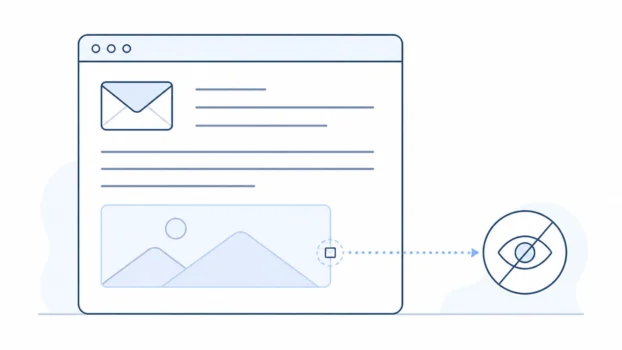
Email Tracking Pixels
How hidden images can be used to measure email opens.
Browse by topic
Latest articles
All articles →
Proton Unlimited Review: Is It Worth It?Proton Unlimited is Proton’s all-in-one plan, bundling Mail, VPN, Pass, Drive, Calendar, Wallet, Docs and Sheets …
 Bobby Wilson

Proton Mail is free for a basic account. The paid plans are Mail Plus, at $4.99 / £3.99 / €4.99 a month, and Proton Unlimited, at $12.99 / £10.39 / €12.99 a …

To get an email with your own domain, register a domain, choose an email provider that supports custom domains, and point the domain at that provider. The …

Use Proton Mail if you care about stopping your email provider reading your mail. Gmail is the better product in most practical ways, with far more free …

The best Gmail alternatives are Proton Mail and Tuta if privacy is your reason for leaving, and Fastmail if you just want a polished conventional inbox. …

Proton Mail and Tuta are both strong private email services, but there is no single winner. Tuta is cheaper and suits people who mainly want email, while …
The best Proton Mail deal right now is Proton’s Black Friday sale, which runs until 30 November 2026. It cuts Mail Plus to $1.99 / £1.59 / €1.99 a month and …

Phishing is a scam message that pretends to come from someone you trust so you click a link, open a file, pay money, or share private information such as a …

Yes, email accounts can be hacked, but usually in ordinary, preventable ways. Most account takeovers happen through stolen, reused, or weak passwords, …

An email tracking pixel is a tiny hidden image inside an email. When images load, it can tell the sender that the email was opened and reveal some limited …

An email signature is a block of text, and sometimes an image, added automatically to the end of your emails. It usually includes your name and contact …

An email alias is an alternative email address that delivers messages to your existing inbox, rather than creating a separate account. For example, an alias …