
 Email guides
How to Write an Email
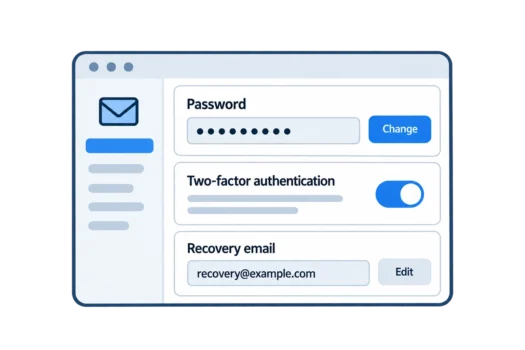
How to Secure Your Email Account
Best Private Email Providers
Email basics
All email basics →
What Is Email?
A straightforward explanation of email and what it is used for.
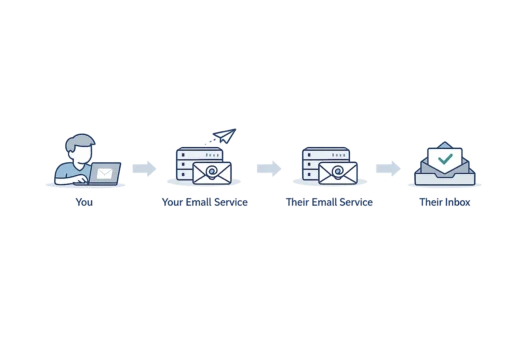
How Does Email Work?
Follow a message from the sender to the recipient’s inbox.
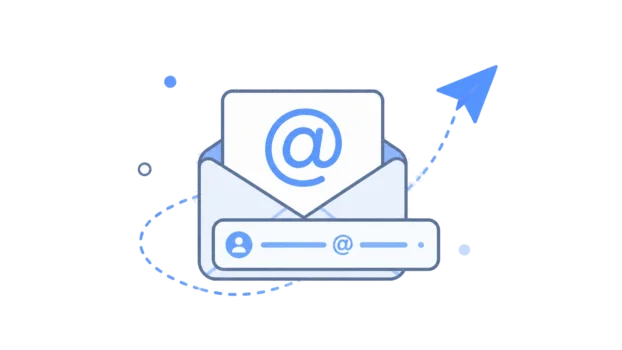
What Is an Email Address?
Understand the different parts of an email address.
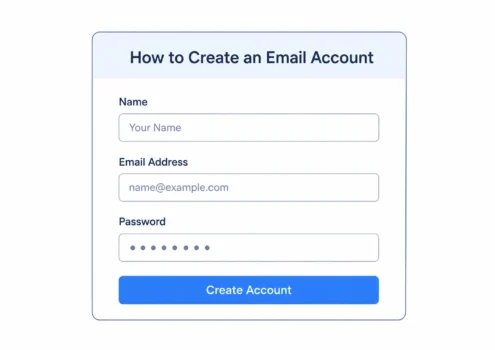
How to Create an Email Account
The steps involved in setting up a new email account.
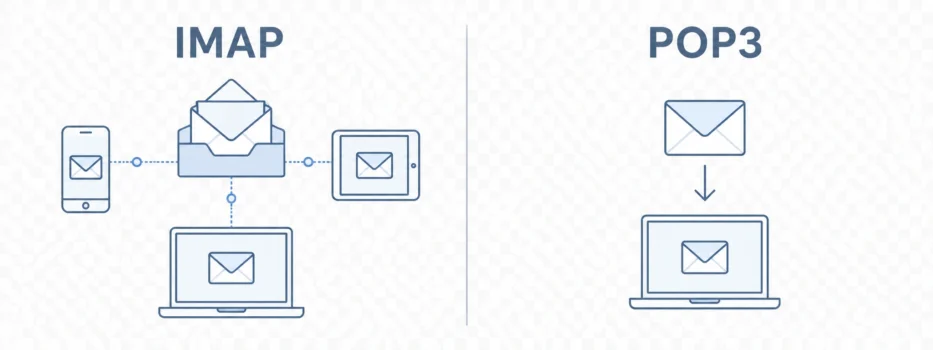
IMAP vs POP3
How these two ways of accessing email differ.
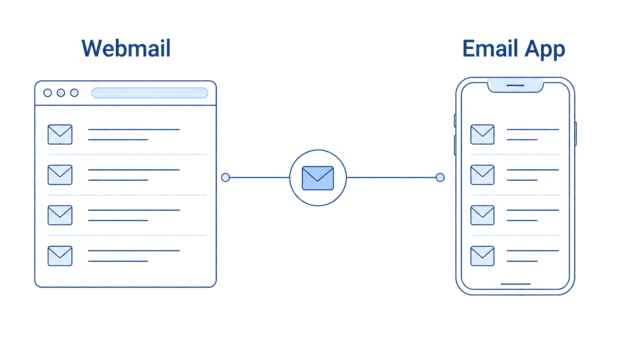
Webmail vs Email Clients
Accessing email in a browser compared with an app.
Using email
Everyday guides
Email providers and comparisons
All comparisons →
Best Gmail Alternatives
Alternatives to Gmail, including privacy-focused and conventional email services.
Proton Mail vs Gmail
Privacy, usability and the differences between the services.
Proton Mail vs Tuta
A comparison of two privacy-focused email providers.
Proton Mail Pricing
Proton Mail plans, features and renewal costs.
Proton Unlimited Review
What the wider Proton subscription includes and its trade-offs.
Privacy and security guides
All privacy guides →
Does Gmail Read Your Emails?
What Google’s systems do with email content.
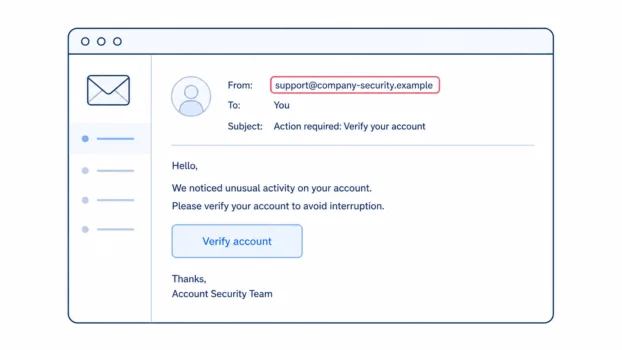
What Is Phishing?
How phishing messages work and what to look for.
How to Encrypt Email
Ways to protect messages using different email services.
Can Your Email Be Hacked?
Common ways email accounts are taken over.
Is Email Private?
What ordinary email protects and where privacy has limits.
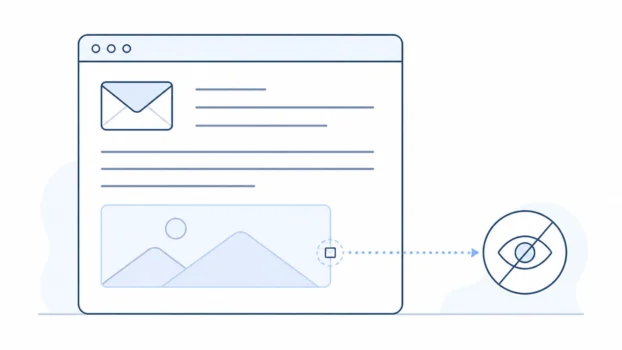
Email Tracking Pixels
How hidden images can be used to measure email opens.
Browse by topic
Latest articles
All articles →
Proton Unlimited is currently 50% off for your first year, at $6.49 / £5.19 / €6.49 a month. The deal is part of Proton’s Black Friday sale and runs until …
 Bobby Wilson

Proton has launched its Black Friday 2026 sale, cutting Mail Plus to $1.99 / £1.59 / €1.99 a month and Proton Unlimited to $6.49 / £5.19 / €6.49 a month for …
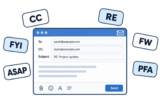
Email abbreviations are short forms used in email fields, subject lines and messages, such as CC, FYI and ASAP. Some help you address an email, while others …
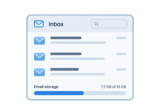
Email storage is the space your email provider gives you to keep your messages and attachments. Your account has a storage allowance, which may also be shared …
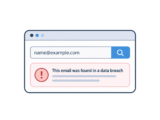
The easiest way to check if your email was in a data breach is to enter your email address on Have I Been Pwned, a free breach-checking site. It compares your …
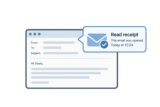
An email read receipt is a notice that tells you when someone opens an email you sent. You must request one, and recipients can often choose whether to send …
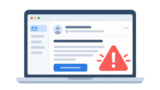
To tell if an email is real or fake, check who actually sent it, where its links go and what it asks you to do. If you are unsure, contact the company …
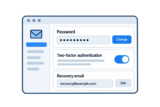
You secure your email account by using a strong, unique password, turning on two-factor authentication, keeping your recovery details up to date and checking …
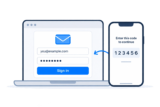
Two-factor authentication (2FA) means signing in to your email with your password plus a second check, such as a code on your phone, so someone who learns …
A burner email is an email address you use for a short time or for one purpose, so you do not have to give out your main address. People use one to sign up …
A private email provider is an email service designed to collect, see and share as little information about you and your messages as possible. These services …
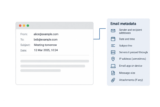
Email metadata is information about an email rather than what the message says. It includes who sent it, who received it, when it was sent and how it …